


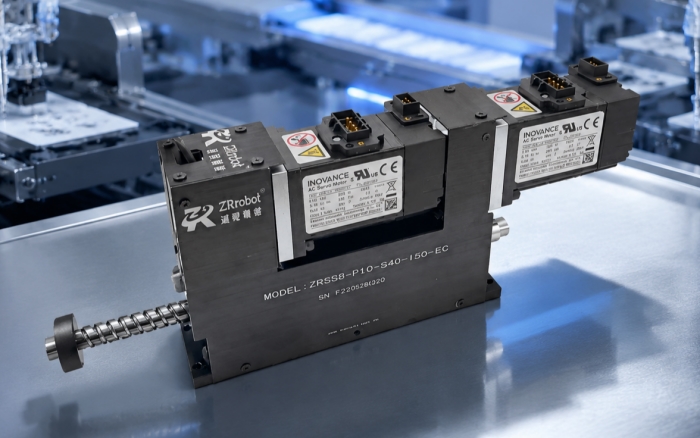
In modern automation systems, performance is often determined not only by component quality but also by how well the system is designed. In particular, the thrust linear rotary actuator plays a critical role in high-speed motion applications such as labeling, film processing, and precision insertion. However, many systems experience premature wear or reduced performance due to avoidable design mistakes. Therefore, understanding these issues is essential for improving long-term reliability and operational stability. Zrvrobot develops advanced motion solutions such as the ZRBSS8-P10 series high-speed 60N actuator, designed for demanding industrial environments that require both thrust force and precision control.
Ignoring Load Matching in System Design
To begin with, one of the most common mistakes is improper load matching. When a thrust linear rotary actuator is used beyond its optimal load range, internal stress increases significantly. As a result, mechanical components degrade faster than expected. Moreover, many system designers focus only on peak thrust values without considering continuous operating conditions. Consequently, excessive load fluctuations lead to unstable performance and shortened lifespan. Therefore, proper load evaluation is essential before system integration.
Poor Thermal Management in High-Speed Operation
In addition, thermal accumulation is another critical factor affecting actuator durability. During high-speed operation, continuous motion generates heat that must be effectively dissipated. However, many automation systems do not provide sufficient cooling or airflow design. As a result, the thrust linear rotary actuator may experience thermal expansion, reduced precision, and increased internal friction. Over time, this accelerates component fatigue and reduces operational lifespan.
Improper Air Path and Pressure Design
Furthermore, pneumatic or air-assisted systems require carefully designed air paths. If airflow is unstable or poorly controlled, actuator response time becomes inconsistent. The ZRBSS8-P10 series from Zrvrobot uses a medium air path design to ensure stable thrust output and soft landing capability. In contrast, poorly designed systems often suffer from pressure loss or delayed response, which increases mechanical impact and reduces lifespan.
Excessive Speed Without Motion Optimization
However, increasing speed without proper motion tuning is another frequent design mistake. While high-speed operation improves throughput, it also increases mechanical stress. The thrust linear rotary actuator must operate within balanced speed and acceleration parameters. Otherwise, repeated high-impact cycles can damage internal structures. Therefore, motion profiling and acceleration control are essential for long-term stability.
Neglecting Soft Landing and Impact Control
In addition, many systems fail to implement proper soft landing mechanisms. Without controlled deceleration, components experience repeated impact forces during each cycle. Zrvrobot’s ZRBSS8-P10 series integrates soft landing functionality, which reduces mechanical shock and improves handling stability. As a result, delicate operations such as film application and irregular insertion maintain higher accuracy and lower wear rates.
Poor Maintenance and Integration Practices
Furthermore, improper maintenance scheduling and poor system integration can also shorten actuator lifespan. Dust accumulation, inconsistent lubrication, or misalignment all contribute to long-term performance degradation. Therefore, engineers must ensure proper installation alignment and periodic inspection to maintain stable operation of the thrust linear rotary actuator in continuous production environments.
Conclusion: Design Quality Defines System Longevity
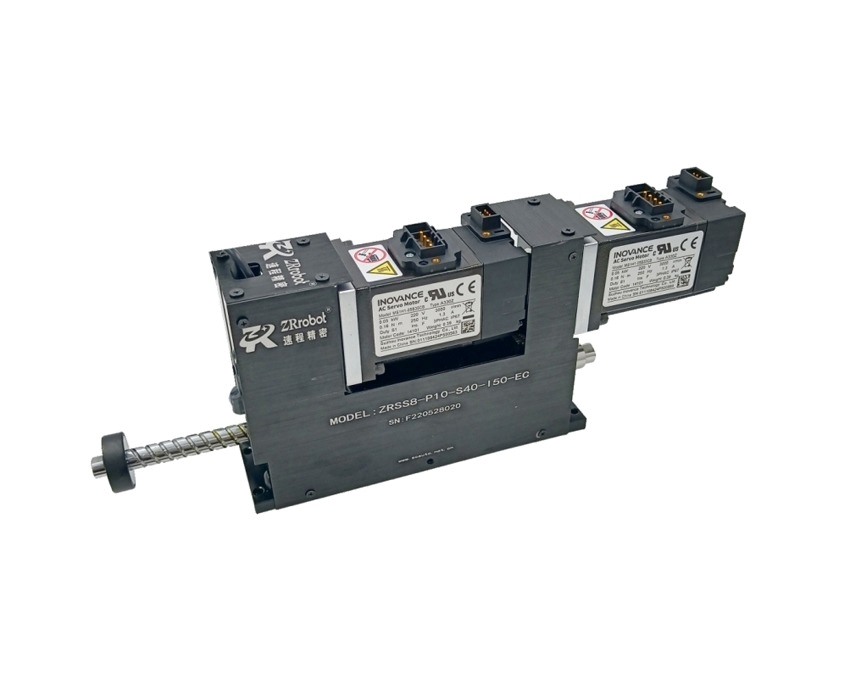
In conclusion, actuator lifespan is not determined solely by hardware quality but also by system design decisions. Load mismatch, thermal issues, poor airflow design, and lack of motion control all contribute to reduced performance over time. Ultimately, the thrust linear rotary actuator delivers maximum value only when properly integrated into a well-designed system. With solutions like the ZRBSS8-P10 series from Zrvrobot, manufacturers can achieve high thrust performance, stable operation, and significantly improved equipment lifespan across labeling, film processing, and precision automation applications.