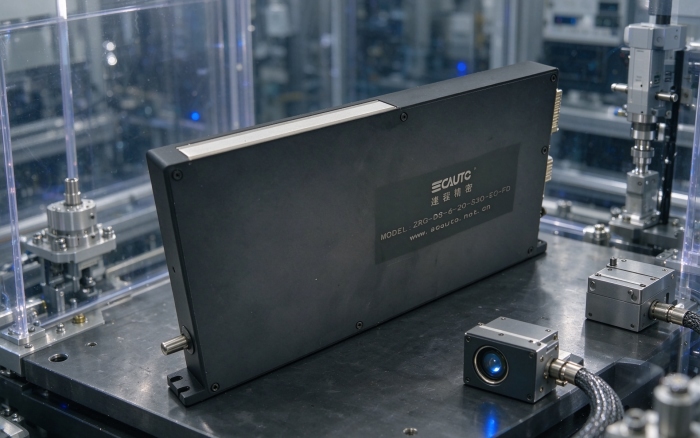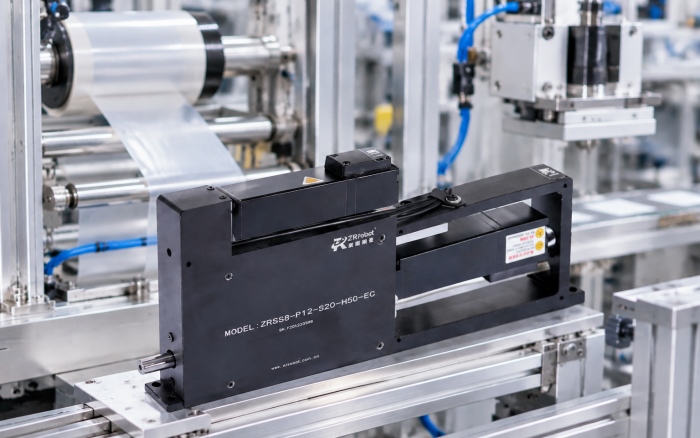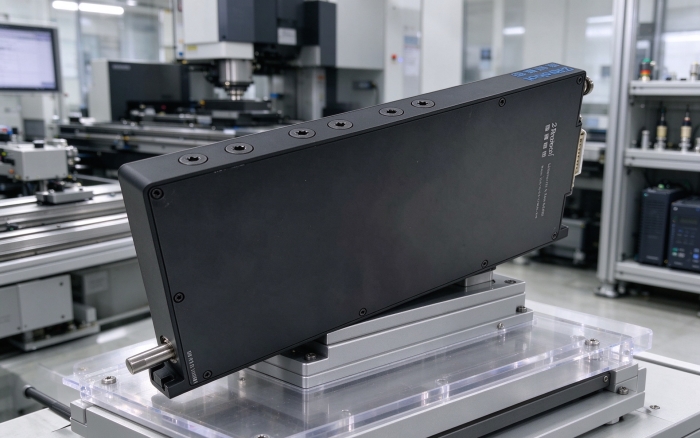


Modern industrial automation equipment often requires multiple motion components to perform coordinated linear and rotary movements. However, using separate motors, drivers, controllers, and connecting cables can increase installation complexity and occupy valuable equipment space. An integrated linear rotary actuator combines motion generation and drive functionality within a compact structure, reducing the number of external components required for system assembly. Consequently, equipment developers can simplify electrical connections while making better use of limited installation space.
Traditional motion control configurations may also require additional wiring between separate components. As production equipment becomes more compact, excessive cables can make installation, maintenance, and troubleshooting more difficult. Furthermore, complicated wiring arrangements may increase assembly time and create more opportunities for connection errors. Therefore, integrating drive functionality into the actuator provides a practical approach to simplifying automation system architecture.
How Built-in Drivers Reduce Wiring Complexity
One of the main advantages of drive integration is the reduced need for separate driver installations and their associated wiring connections. Instead of arranging multiple independent motion control components, engineers can work with a more compact actuator configuration. This helps simplify equipment layouts and makes electrical integration more manageable, especially when several motion units operate within the same machine.
The main advantages of integrated drive architecture include:
- Fewer External Components: Reduces the number of separately installed drive units and supporting electrical components.
- Simplified Wiring Layout: Helps organize connections within compact automation equipment and reduces unnecessary cable routing.
- Easier Equipment Assembly: Simplifies component arrangement and can reduce installation workload during machine production.
- More Convenient Maintenance: A more centralized structure can make component identification and routine inspection easier.
- Improved Space Utilization: Reduces the space required for separate driver installations and associated mounting arrangements.
Moreover, fewer external components can help equipment designers create cleaner electrical layouts. An integrated linear rotary actuator also reduces the need to arrange separate drive units, making the overall wiring structure easier to organize. However, actual wiring requirements still depend on the control interface, power supply, communication configuration, and machine architecture.
How Integrated Motion Design Saves Installation Space
Space limitations are common in modern automated production equipment, particularly in compact labeling machines, material handling systems, and micro-component processing equipment. When motors, drivers, and motion modules are installed separately, additional mounting brackets and cable routing areas may be necessary. An integrated ZR actuator offers a more compact approach by combining motion-related functions within one structural unit. As a result, equipment developers can simplify mechanical layouts and reserve more space for other essential components.
A compact integrated design can reduce the complexity of coordinating separate linear and rotary motion assemblies. This is particularly useful when a machine needs repeated positioning, rotation, and material handling within a limited working area. In addition, an integrated linear rotary actuator can provide greater flexibility when arranging multiple actuators along a production line. These advantages make integrated motion solutions valuable for equipment that prioritizes both space efficiency and straightforward mechanical installation.
Key Factors to Evaluate When Selecting an Integrated Actuator
Although integrated designs offer several advantages, engineers should consider the complete operating requirements before selecting a suitable model. Different applications may require different positioning accuracy, movement sequences, installation dimensions, and operating frequencies. Therefore, evaluating both electrical integration and mechanical performance is essential for achieving reliable equipment operation.
| Selection Factor | What to Evaluate | Main Benefit |
|---|---|---|
| Drive integration | Built-in driver configuration and electrical connections | Simplifies system wiring |
| Installation space | Overall dimensions and mounting requirements | Improves layout flexibility |
| Motion control | Linear and rotary movement coordination | Supports consistent operation |
| Positioning accuracy | Required positioning tolerance and repeatability | Improves processing consistency |
| Operating frequency | Repeated movement and production cycle requirements | Supports stable operation |
| Maintenance access | Component accessibility and status indication | Simplifies routine inspection |
| Cost structure | Component count and assembly workload | Helps control integration costs |
Furthermore, engineers should compare the actuator’s actual capabilities with the machine’s working conditions. A high-precision positioning linear rotary actuator is especially relevant when repeated movements require consistent placement and controlled rotation. By evaluating these requirements early, equipment developers can avoid unnecessary component selection and reduce the risk of integration problems.
Applications in Automated Production Lines
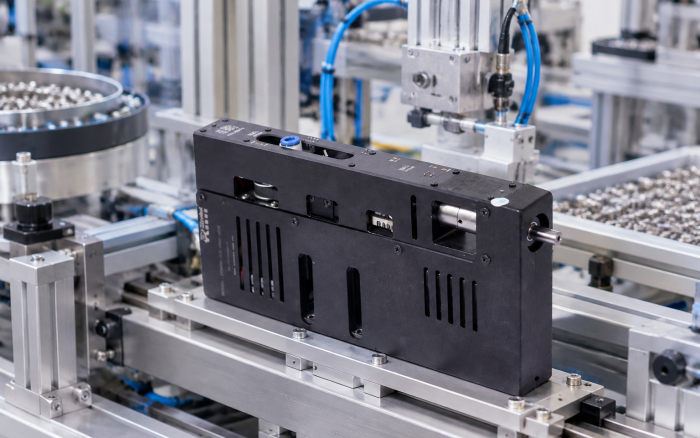
Integrated motion modules are suitable for applications where compact installation and coordinated movement are important. For example, labeling equipment may require precise material positioning before applying labels, while film processing machinery needs stable movement during repeated application cycles. Similarly, micro-component handling systems depend on coordinated linear and rotary actions to transfer small parts between processing positions.
A linear rotary actuator for automatic assembly line applications can help simplify repetitive positioning and material handling operations. In addition, integrated drive architecture can reduce the need for separate motion components in compact equipment modules. Typical applications include swing plate positioning, labeling, film application, auxiliary material handling, and micro-component loading and unloading.
The ZREMM8-X3 series from ZRVROBOT is designed around these integration requirements. Its stepper-based motion architecture combines drive integration, a medium air circuit, and a status panel design. Moreover, its compact structure supports simplified equipment configurations where installation space and system cost are important considerations.
When Is a Customized Configuration Worth Considering?
Not every automation machine has identical installation or motion requirements. Some equipment designs may have restricted mounting dimensions, specialized movement sequences, or specific electrical integration conditions. In these situations, working with a ZR actuator manufacturer can help engineers evaluate suitable configurations according to the actual machine design.
A custom linear rotary actuator may be considered when standard configurations do not fully match equipment requirements. Before selecting a suitable design, engineers should provide information about installation dimensions, workpiece characteristics, movement distance, rotation requirements, and expected production cycles. Additionally, discussing electrical connections and control arrangements during the early design stage can help reduce unnecessary modifications later.
Rather than focusing only on individual actuator specifications, equipment developers should evaluate the complete integration process. This approach helps balance installation space, motion performance, electrical organization, and overall equipment cost.
Conclusion
Built-in drive functionality offers practical advantages for industrial automation by reducing external component requirements, simplifying wiring arrangements, and improving installation space utilization. However, successful integration also depends on appropriate motion control, mechanical design, and application-specific evaluation. By considering these factors together, equipment developers can create more compact and manageable automation systems.
The ZREMM8-X3 series provides an integrated stepper-based motion solution featuring drive integration, a compact structure, a medium air circuit, and a status panel design. With these features, it supports simplified machine architecture and cost-conscious automation applications, including labeling, film processing, swing plate positioning, and micro-component handling.