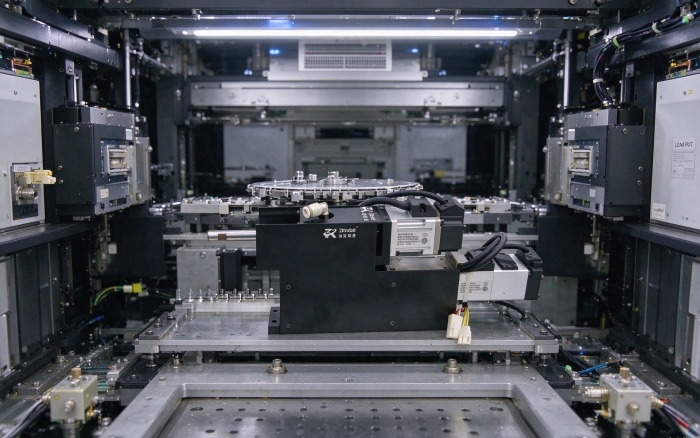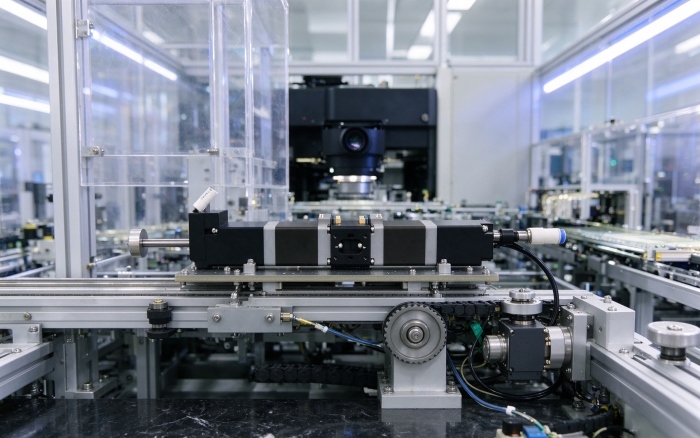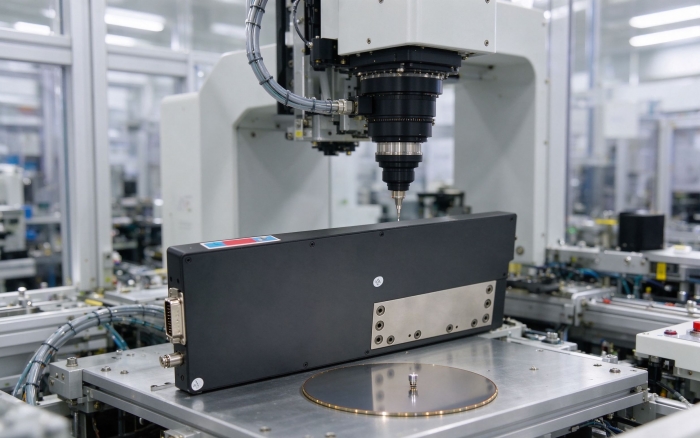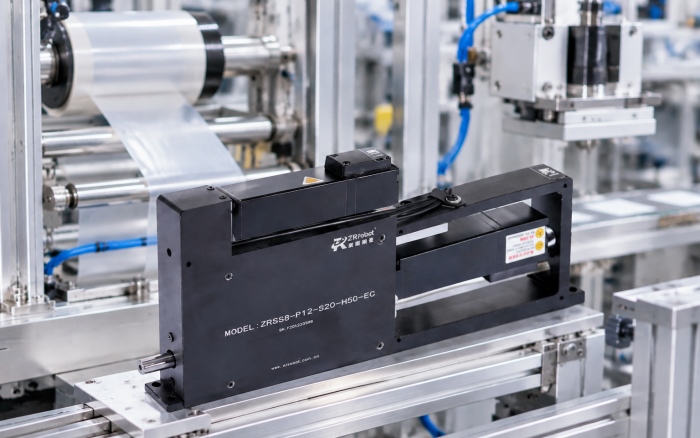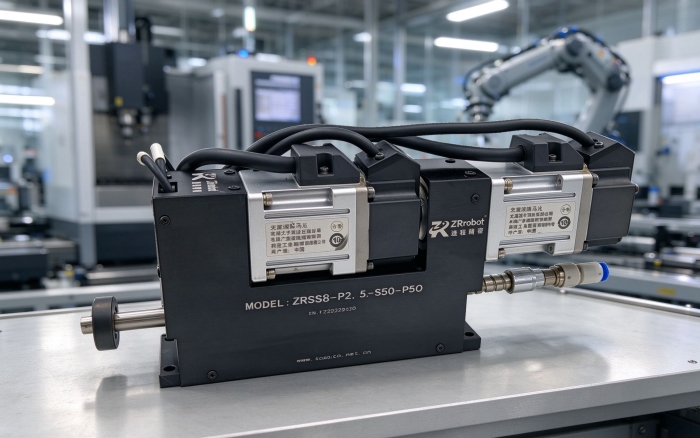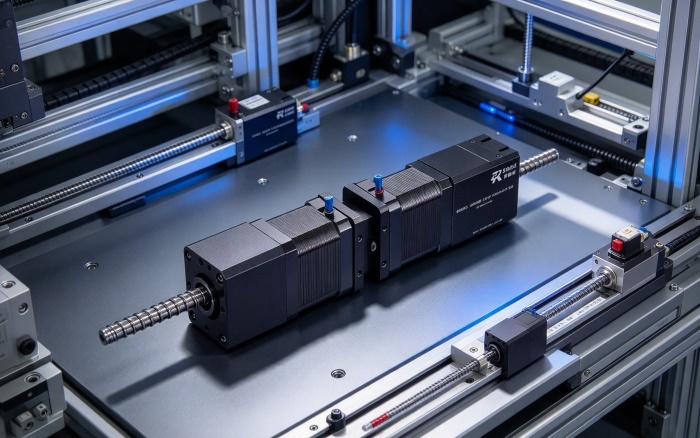


Precision laminating machines often need to perform several operations within a limited installation area. Labeling, film application, and patch application require coordinated movement, accurate positioning, and consistent production cycles. However, installing multiple motion components in a confined machine structure can increase equipment size and make mechanical layout more complicated. Therefore, selecting an ultra-small high-speed linear rotary actuator can help equipment designers reduce the space required for motion mechanisms while maintaining efficient operation.
Space optimization is not simply about making a machine smaller. Instead, it involves arranging components efficiently, reducing unnecessary movement, and ensuring that each motion unit fits the machine’s functional requirements. A compact actuator can provide more flexibility when designers plan the internal layout of precision laminating equipment. As a result, manufacturers can make better use of available installation space without unnecessarily complicating the machine structure.
Compact Actuator Design for Efficient Machine Layout
A smaller actuator can make a meaningful difference when equipment contains several motion modules, sensors, and material-handling components. The ZRCMM6-P6 Series features an ultra-small volume and a medium air path, making it suitable for automation designs where installation space is limited. In addition, its compact structure gives equipment designers more flexibility when arranging motion components around the working area.
A mini linear rotary actuator can be considered when a machine requires a compact motion unit for repetitive positioning tasks. Compared with larger motion components, a smaller design may provide more room for adjacent mechanisms and simplify equipment layout. Nevertheless, designers should evaluate the actuator’s movement requirements, mounting position, and available working space before confirming its suitability.
For a linear rotary actuator for precision laminating machine applications, the installation position should also be considered alongside the motion sequence. For example, labeling and film application equipment may require components to move around material-feeding paths and processing stations. A compact motion unit can help reduce layout constraints and support a more organized machine structure.
Key Performance Features for Efficient Production
Although compact dimensions are important, motion performance also affects overall machine efficiency. The ZRCMM6-P6 Series combines an ultra-small volume, medium air path, and high-speed operation. Moreover, its soft-landing capability helps reduce impact during movement, which can protect delicate components and support smoother operation in automated processes.
The main performance considerations include:
- High-Speed Operation: Supports faster motion cycles in repetitive automation tasks.
- Soft-Landing Capability: Helps reduce impact when the actuator reaches its movement position.
- Optimized Pneumatic Control: Supports smooth and stable motion behavior.
- Compact Structure: Helps equipment designers manage limited installation space.
- Cost-Effective Design: Offers a practical option for automation projects that consider both performance and equipment cost.
Furthermore, a high-speed linear rotary actuator should be selected according to the required cycle time and working conditions. Faster movement alone does not guarantee better production results. Instead, the actuator must work consistently with the machine’s feeding, positioning, and processing sequences.
Typical Applications of the ZRCMM6-P6 Series
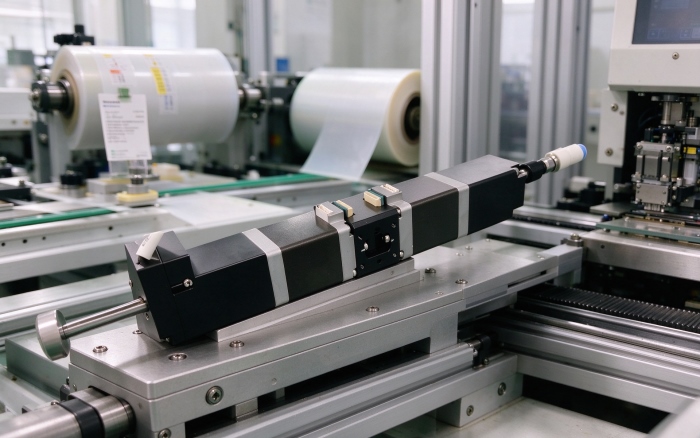
The ZRCMM6-P6 Series is designed for automation applications such as labeling, film application, and patch application. These processes often involve repeated material positioning and handling, so equipment designers need motion components that fit the available space and support stable operation. Its compact design and high-speed performance make it a candidate for equipment layouts where space and cycle efficiency are important considerations.
A compact compound actuator can be relevant to machine designs that combine different movement requirements within one working area. However, the final selection should depend on the actual motion sequence, installation conditions, and compatibility with the surrounding equipment. For laminating applications in particular, engineers should confirm the required stroke, rotation range, load, and operating conditions before integrating the actuator.
| Application | Space and motion considerations |
|---|---|
| Labeling | Compact installation and repeatable material positioning |
| Film application | Efficient layout around film-feeding and application mechanisms |
| Patch application | Stable movement in repetitive processing operations |
| Auxiliary material handling | Space-efficient arrangement of handling components |
Important Factors for Actuator Selection and Integration
When choosing an actuator, buyers should consider more than its external dimensions. The motion requirements, machine structure, installation space, and operating cycle all affect whether a component is suitable for a specific project. Therefore, reviewing these factors before purchasing can help reduce integration difficulties and avoid selecting a unit that does not match the equipment design.
A practical evaluation process should include:
- Measure the Available Space: Check the installation area and identify possible interference with nearby components.
- Confirm Motion Requirements: Define the required linear and rotary movements for the application.
- Review Operating Conditions: Consider cycle frequency, load, and the working environment.
- Check Integration Requirements: Confirm mounting arrangements and compatibility with the machine structure.
- Evaluate Project Costs: Compare performance needs with the overall equipment budget and production plans.
In addition, buyers working with a precision linear rotary actuator supplier should provide clear application details during the selection process. Information about the machine layout, movement sequence, and production requirements helps suppliers assess whether a particular actuator is appropriate. This step is especially useful for OEM projects that require consistent component selection across multiple machines.
Conclusion: Balancing Compact Design and Motion Performance
Optimizing space in precision laminating machines requires careful coordination between mechanical layout and motion performance. The ZRCMM6-P6 Series Ultra-Small High-Speed Linear Rotary Actuator combines a compact structure, medium air path, high-speed operation, and soft-landing capability for applications such as labeling, film application, and patch application. By considering installation space and operating requirements together, equipment designers can develop more organized and efficient automation systems.
For manufacturers planning space-limited automation equipment, an ultra-small high-speed linear rotary actuator can be one option to evaluate when compact installation and fast motion are both important. Zrvrobot provides linear rotary actuator products for industrial automation projects, supporting equipment manufacturers and distributors in selecting motion components according to their application requirements.